Formal Wear
Formal wear or formal dress wear refers to clothing suitable for formal social occasions such as weddings, formal garden parties, dinners, balls or races.
Dress codes for formal events can vary from black tie, white tuxedo, morning suits and white tie. Knowing which style suits you best and which is appropriate for the occasion isn’t easy.
At Phillip Alexander, we specialise in creating bespoke suits that reflect the individuality and sophistication of the modern gentleman. Our tailors work with the finest fabrics and timeless craftsmanship to design garments that offer both exceptional fit and unparalleled elegance.
We’re here to ensure you are the best dressed in every room.

Black Tie
A black tie code consists of a dinner jacket, a white dress shirt, trousers, a cummerbund or waistcoat, black shoes and a self-tie black bow tie. In America, black tie is known as a Tuxedo, originating in the Tuxedo Club in New York where the garment is first said to be worn in 1886.
You’ll know if you’ve been invited to a black tie event as your invite will state the black tie dress code. You can’t go wrong knowing when to wear black tie, but it’s important you wear it right.

Morning Suits
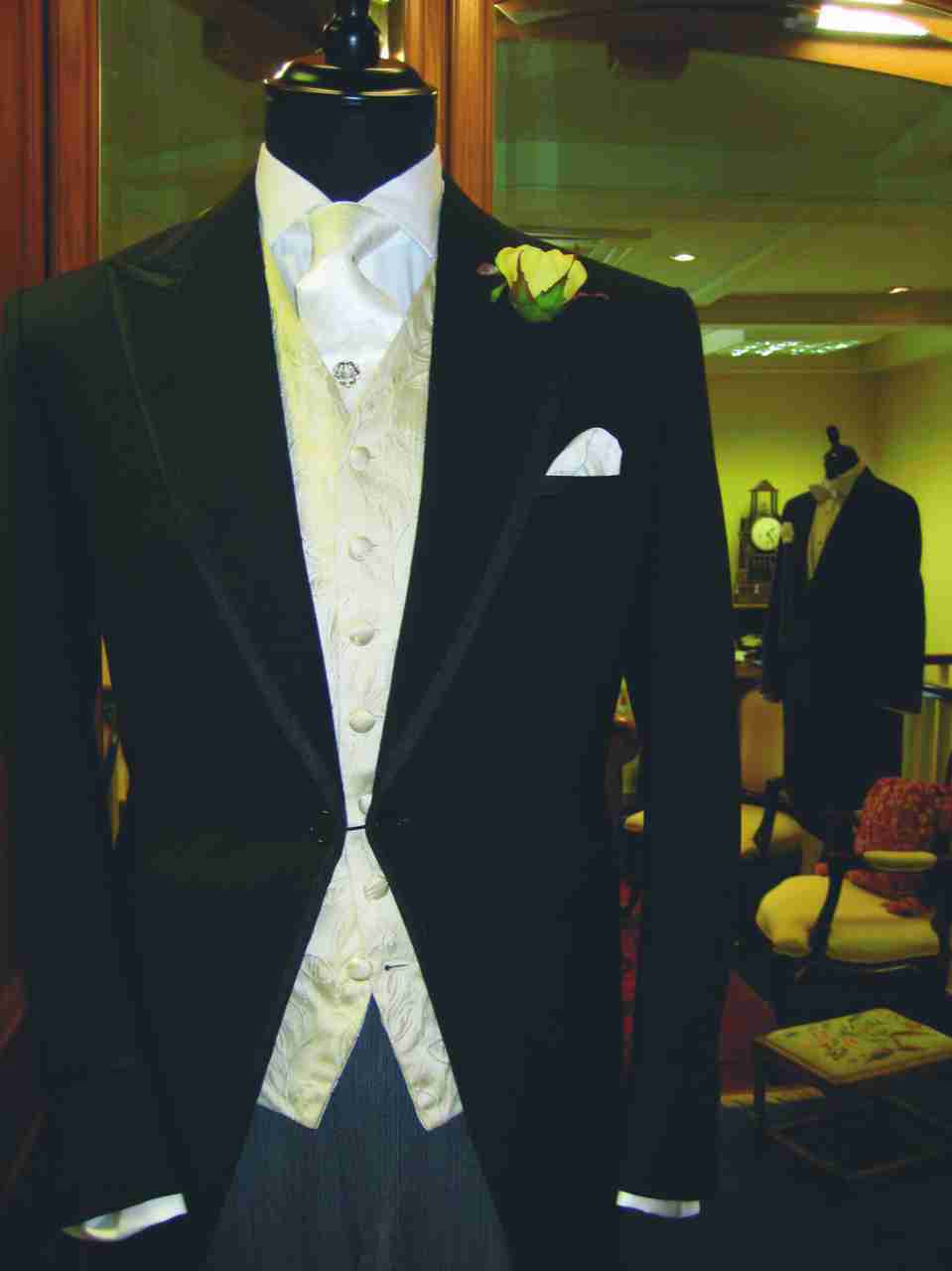
A morning suit features a formal jacket with peak lapels and swallow-tail, a waistcoat, and trousers.
The morning coat is traditionally black or grey, with trousers that match in colour and pattern. These should be well-fitted—neither too tight nor too loose—and feature a subtle grey or complementary pattern down the leg. The waistcoat can be single or double-breasted and should match the cloth of the rest of the suit.
A top hat in black or grey is often worn, but at a funeral, it must be black. To complete the ensemble, a tie is essential, and black Oxford shoes are the preferred choice.
Morning Suits
A morning suit features a formal jacket with peak lapels and swallow-tail, a waistcoat, and trousers.
The morning coat is traditionally black or grey, with trousers that match in colour and pattern. These should be well-fitted—neither too tight nor too loose—and feature a subtle grey or complementary pattern down the leg. The waistcoat can be single or double-breasted and should match the cloth of the rest of the suit.
A top hat in black or grey is often worn, but at a funeral, it must be black. To complete the ensemble, a tie is essential, and black Oxford shoes are the preferred choice.
White tie is traditionally reserved for the most prestigious and important events. This includes royal weddings, award ceremonies, formal galas and balls, and state dinners.
If you are lucky enough to be invited to an event which requires you to wear white tie, it’s important you feel confident in your attire, rather than out of place.
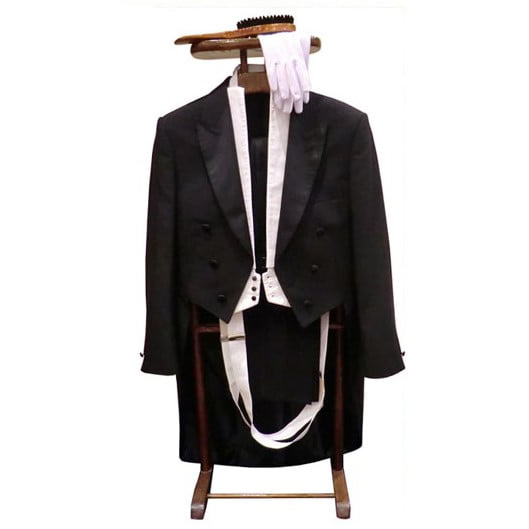
White tie requires a black tailcoat that must remain unbuttoned. It is worn with a white cotton pique waistcoat, a white dress shirt featuring a wing collar and bib front, and a matching white bow tie.
The trousers, which are adorned with double silk braids along the outer seams, are never worn with turn-ups. The trousers are held in place by braces, creating a sharp and refined silhouette.

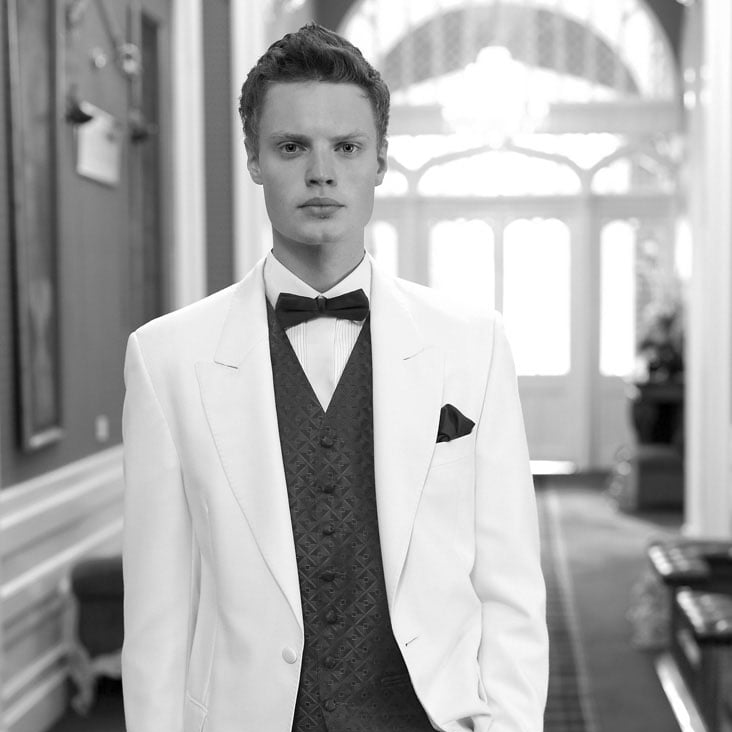
A white tuxedo is a variation of black tie attire, featuring a white or ivory dinner jacket, instead of a black jacket.
The jacket can be single or double-breasted and should feature a peaked lapel, unless it has a shawl collar. A white tuxedo should always be worn with a white dress shirt and a black bow tie, ideally hand-tied. You should wear black patent leather shoes or black loafers.

The smoking jacket was brought into the public eye by men like Dean Martin and Frank Sinatra.
They are typically made from velvet or silk materials, creating a soft, chic appearance.
Today, smoking jackets are worn as casual dinner jackets. They are worn to country balls, semi-formal events and parties in the home, especially being worn by the host. They should be worn with dinner trousers, a dress shirt, a black bow tie, and patent shoes or velvet slippers.
Whether it’s a pocket square, bow tie, tie, cravat, cufflinks, or a sophisticated hat, they can pull the ensemble together.
Phillip Alexander has a range of accessories to choose from, including bespoke items which we create from scratch; it’s the perfect way to match your garments.